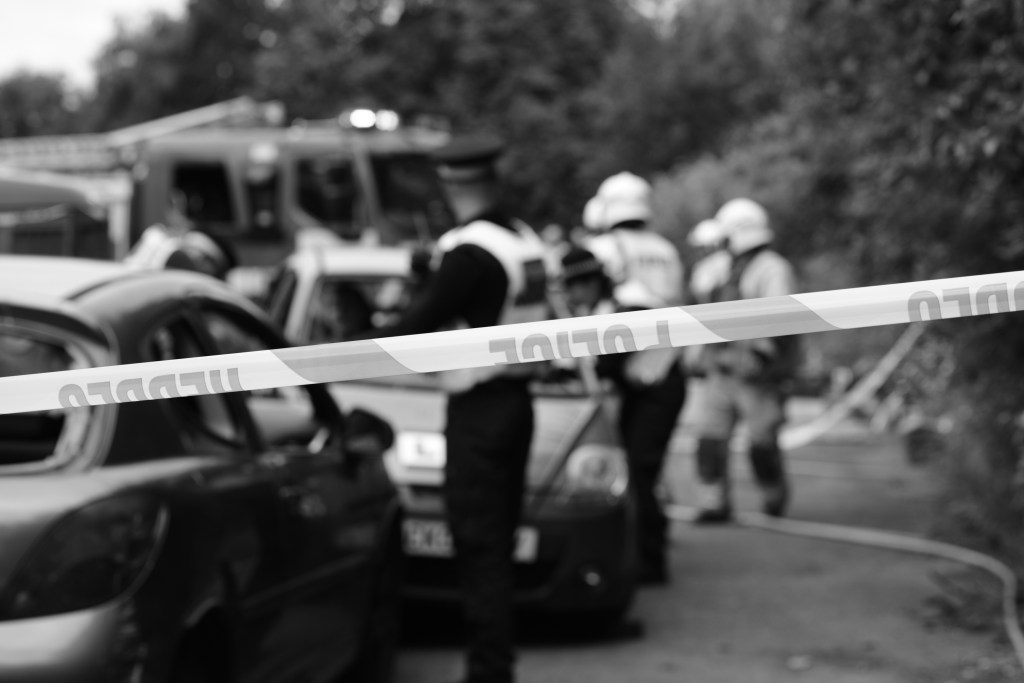
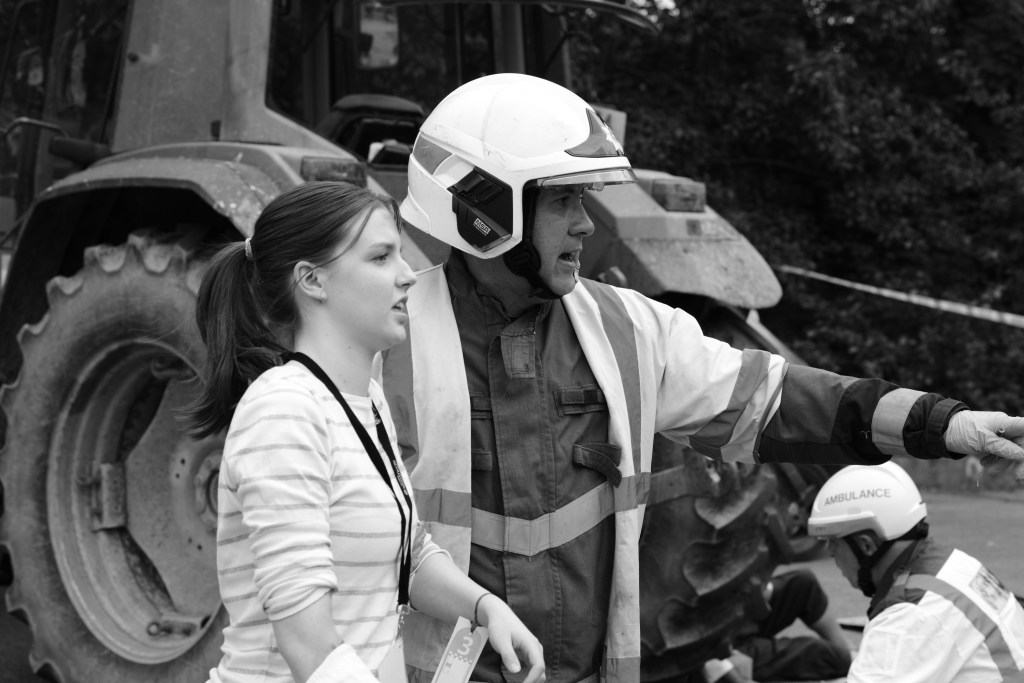
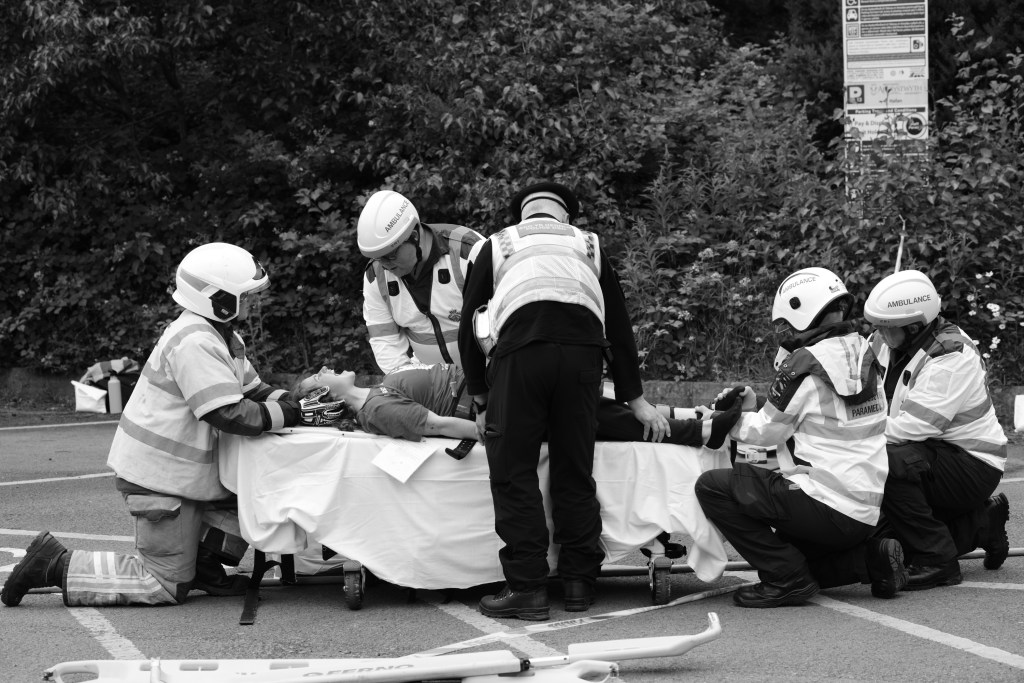
Three people trapped in cars crushed by a tractor. Traumatised walking wounded. Fire crews applying the jaws of life, paramedics triaging the wounded as people scream in the background. As you may have guessed from my rather offhand treatment of a serious topic, I was attending a simulated incident.
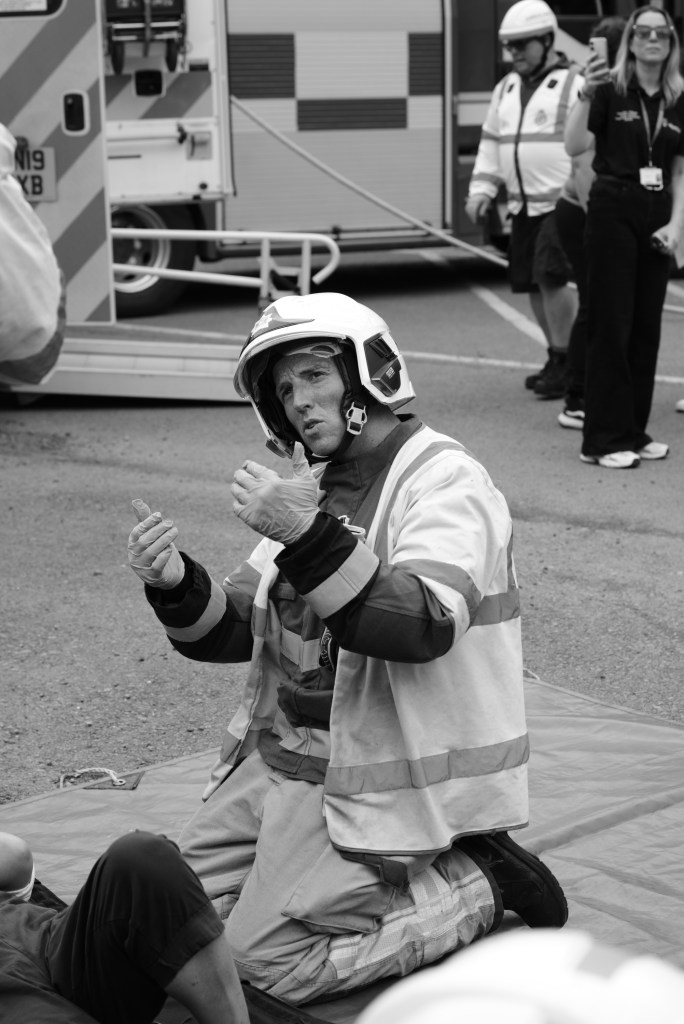
It’s the second of these that I’ve attended courtesy of my University – they’re run at the end of the academic year as a live training exercise for final year nursing students, in cooperation with the Welsh Ambulance Service, Dyfed Powys Police and Mid and West Wales Fire and Rescue. While I stand in one of the University’s outlying car parks (ducking back and forth under the police tape to try and find angles) the University’s Healthcare Education Centre is prepping for its role as a hospital, and its students are standing by to triage and treat whatever combination of casualties may be arriving by ambulance.
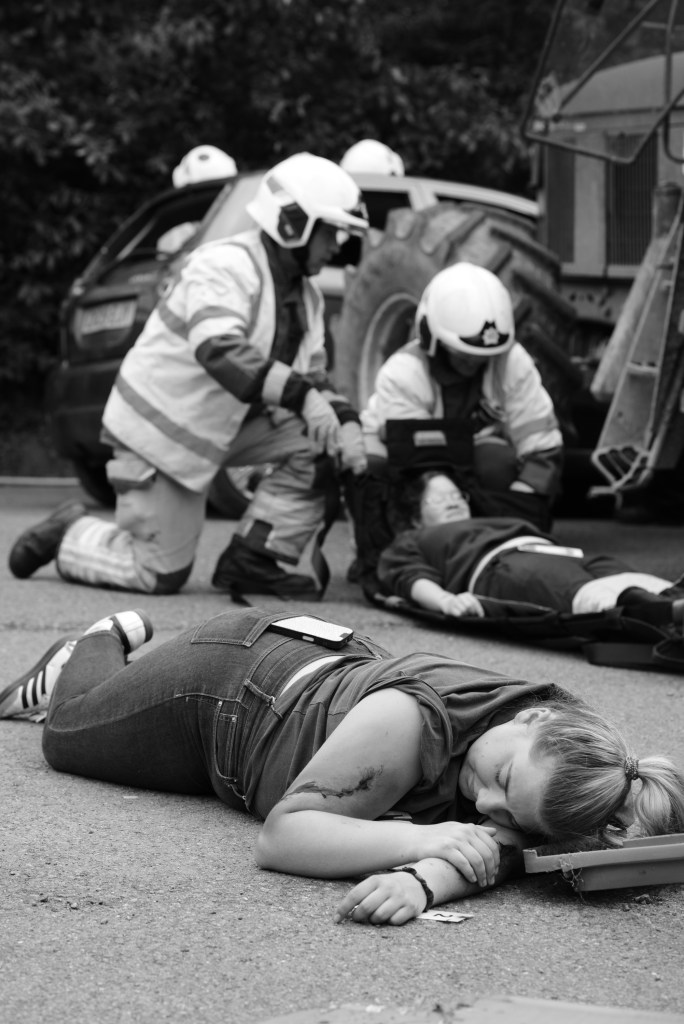
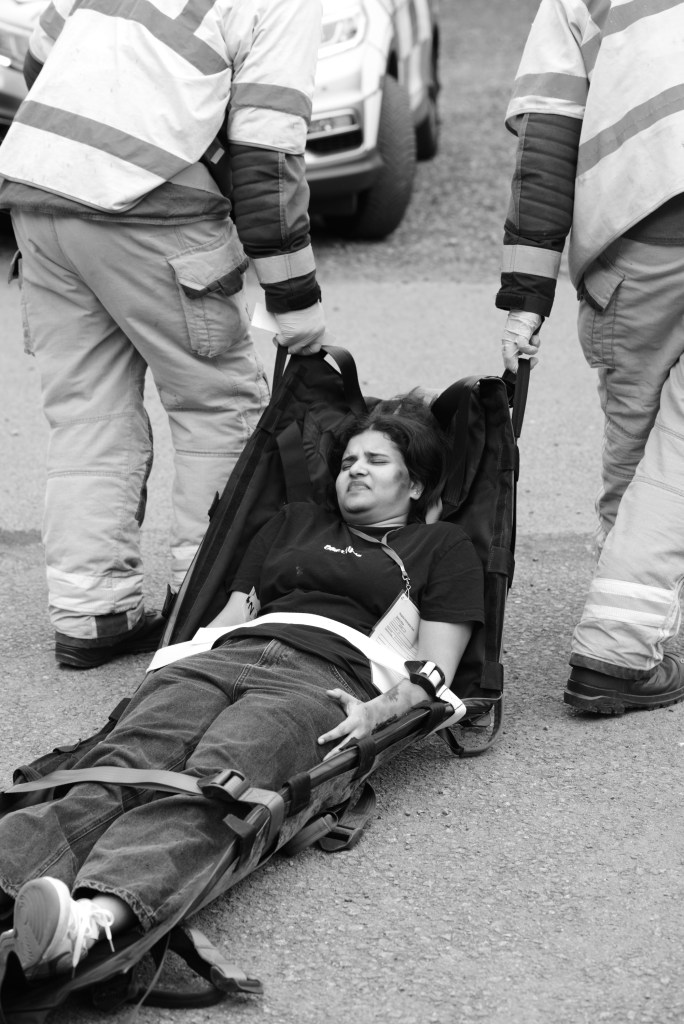
Police, fire and ambulance were well represented at the scene – as were the members of the public (with highly realistic fake injuries) who are standing in for casualties and bystanders. Police officers control crowds and apply first aid – meanwhile firefighters start the process of extracting casualties from their car. Hydraulic jaws, cutting blades, shields to protect the occupants and eventually an extraction on a spinal board as the “casualty” – who is committed to her part and screaming to wake the dead – is lifted clear and treated by paramedics.
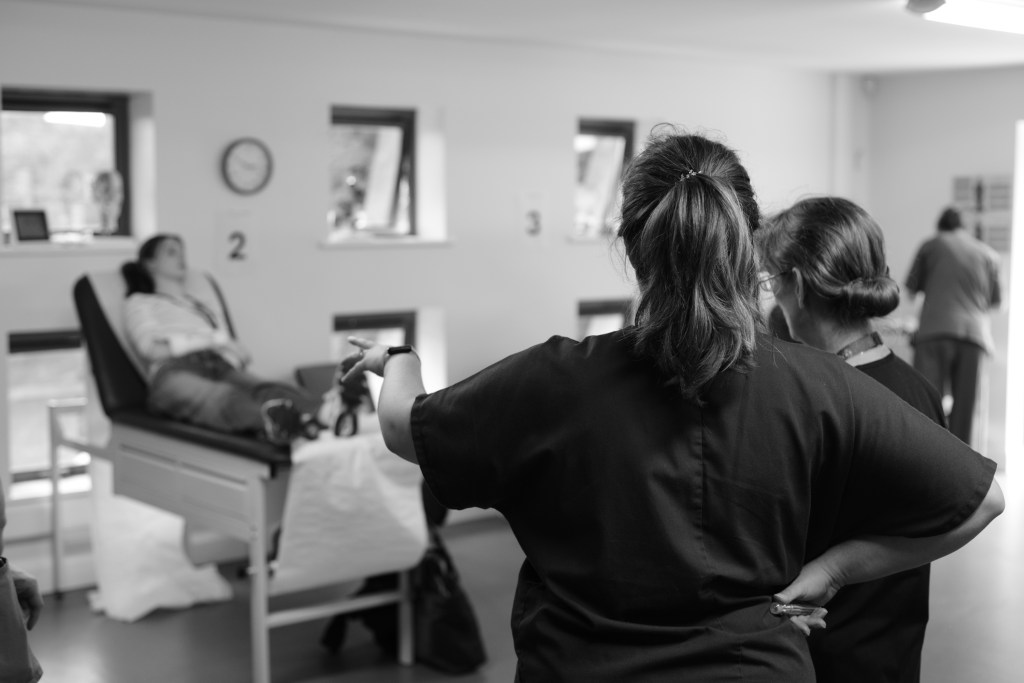
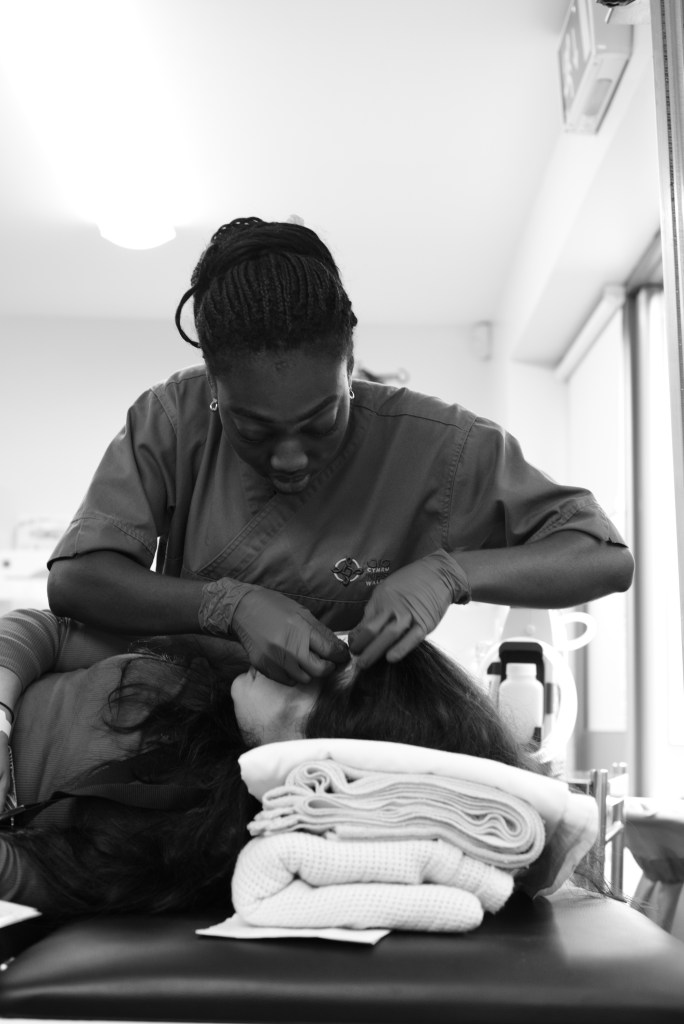
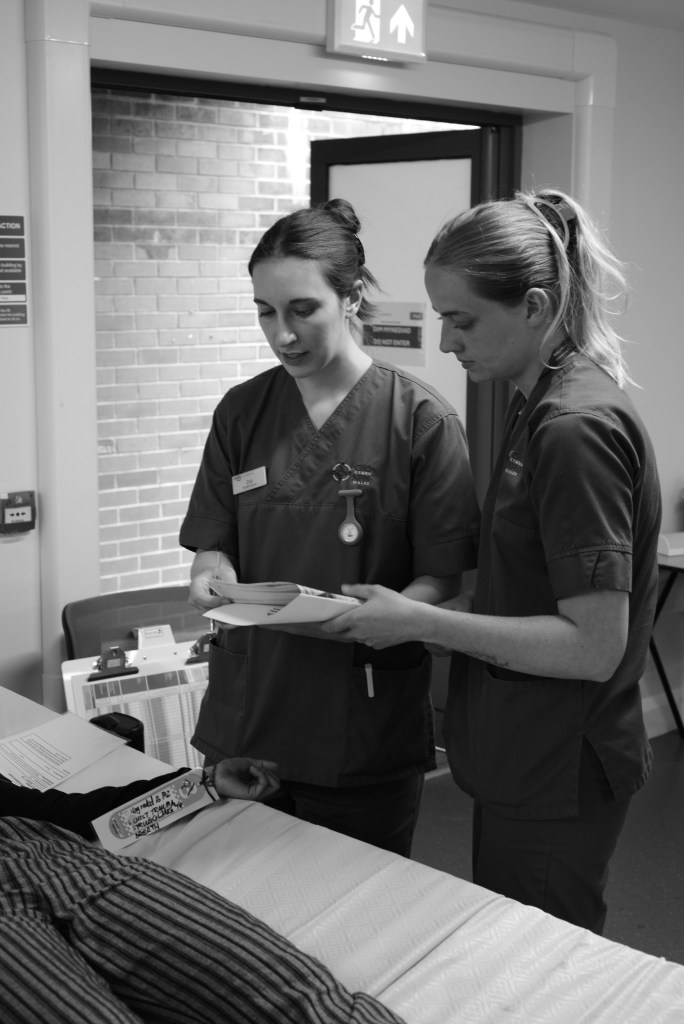
Then the centre itself. Student nurses in the role of nurses, student doctors in the role of doctors, and their various tutors and qualified medics leading the exercise. Paramedics bring in the casualties – triage begins. Treatment (on dummies where required) is carried out, scans are requested, patients are intubated, CPR is carried out on an unresponsive (dummy) patient.
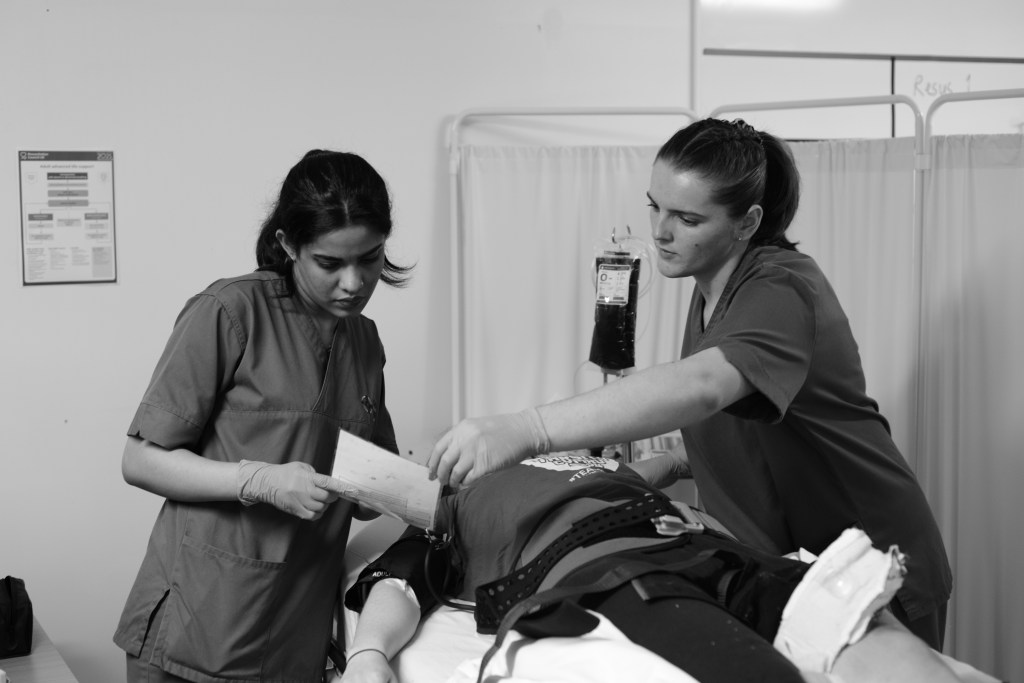
Elbow room in the bays is scarce, and not helped by having interfering men with cameras gumming up the works (sorry to any student nurses reading this). The temperature rises. Paramedics shuttle in more casualties. Tension ratchets up.
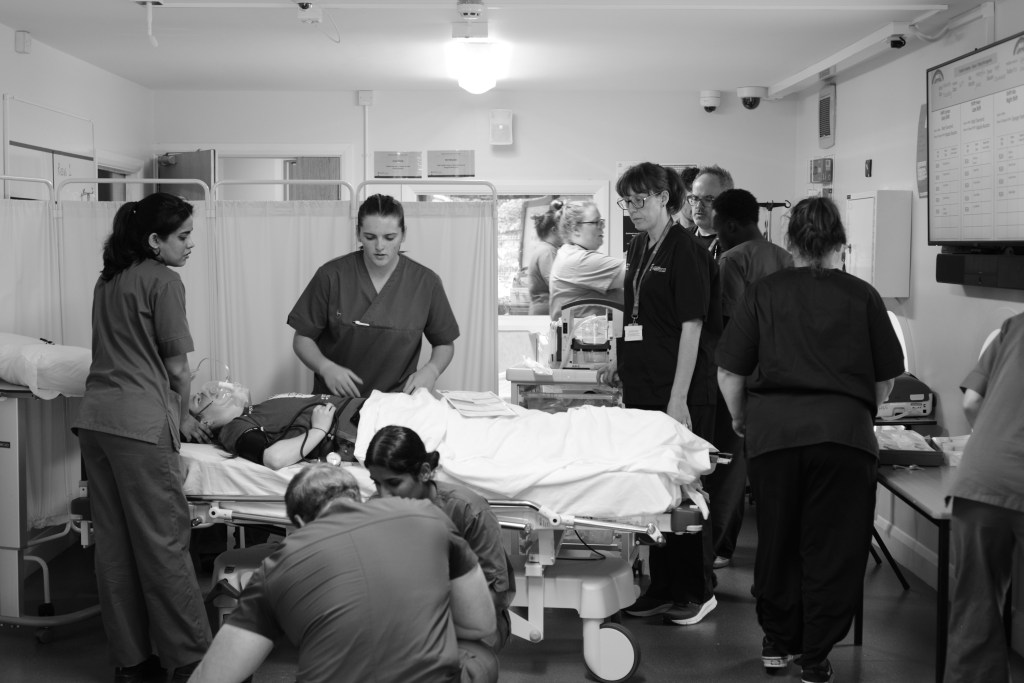
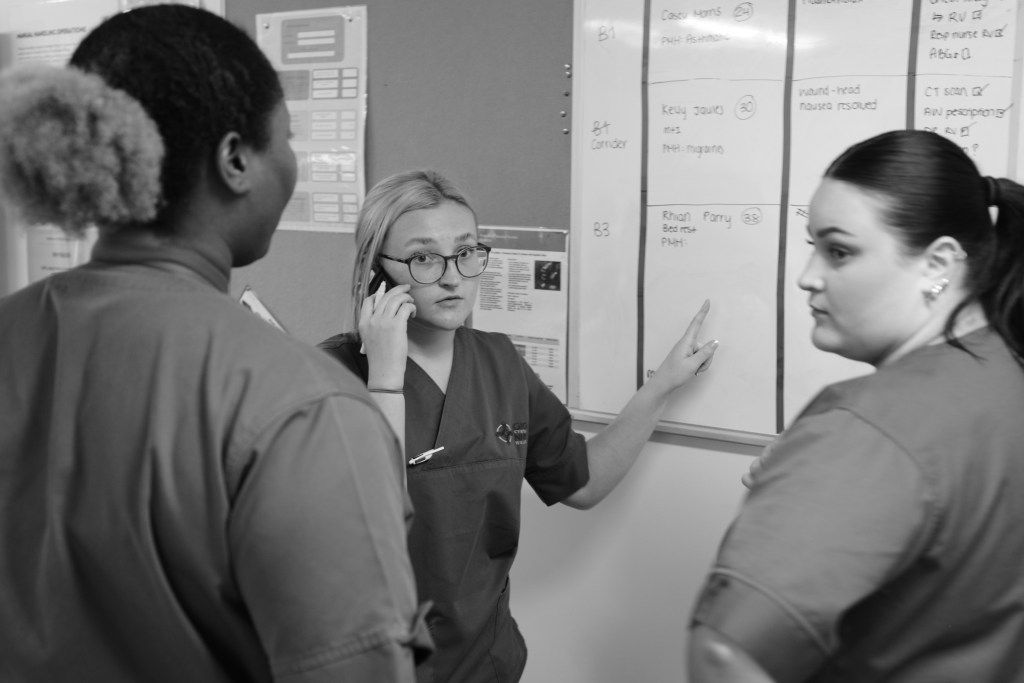
Downstairs, in the guts of the building, nurses are gathered around the whiteboard allocating treatment space as the requirements and numbers shift. Upstairs assessments are completed on those with minor injuries, while in adjoining rooms teams of medics work to save the lives of the gravely wounded.
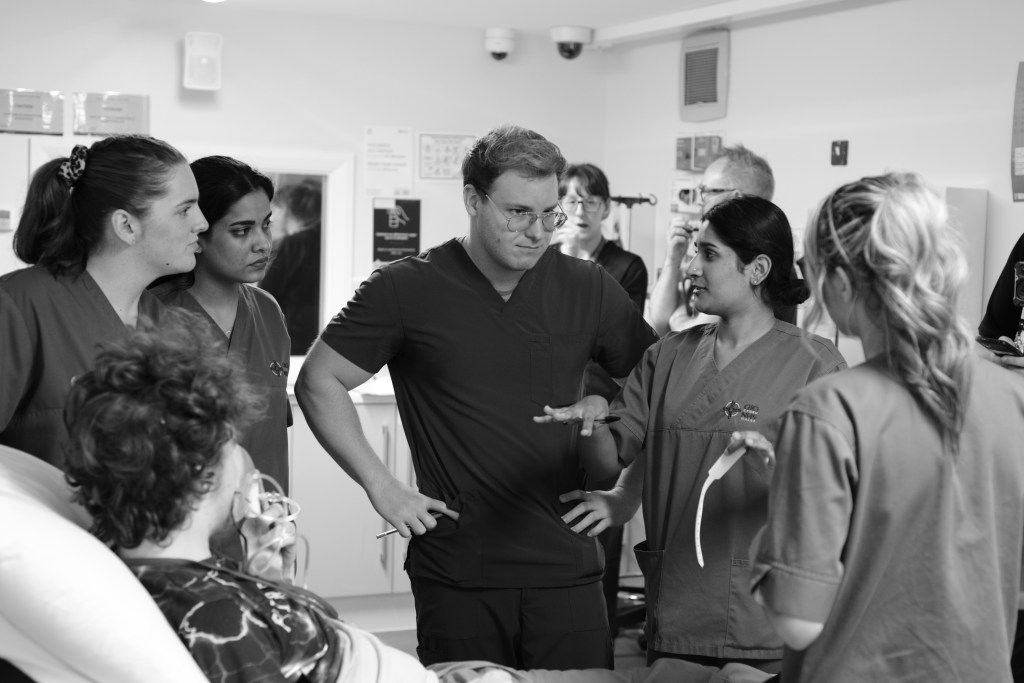
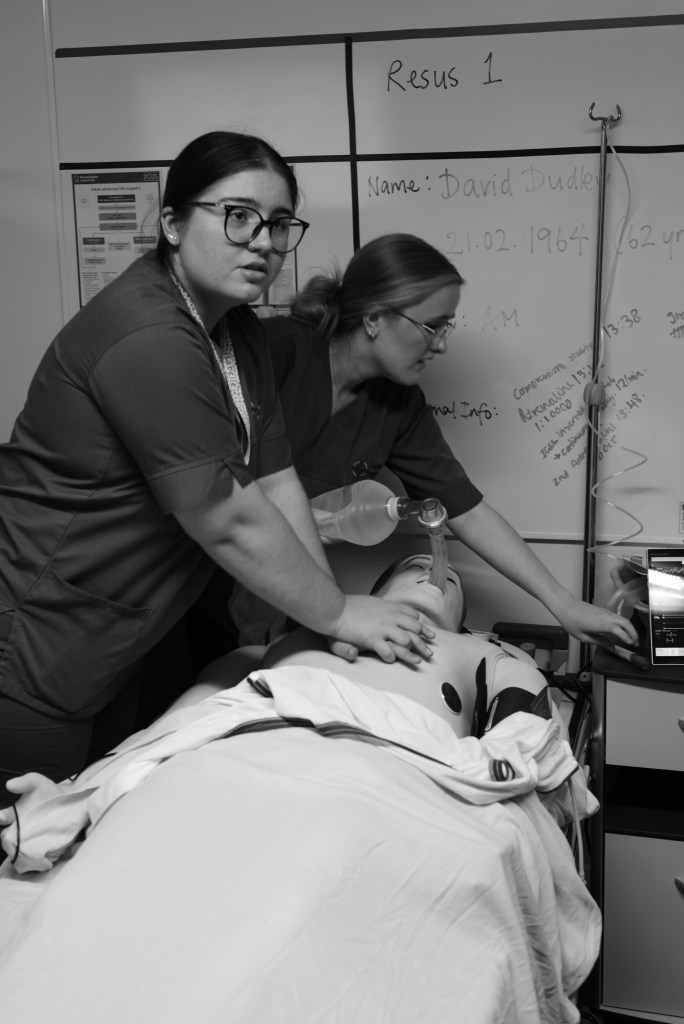
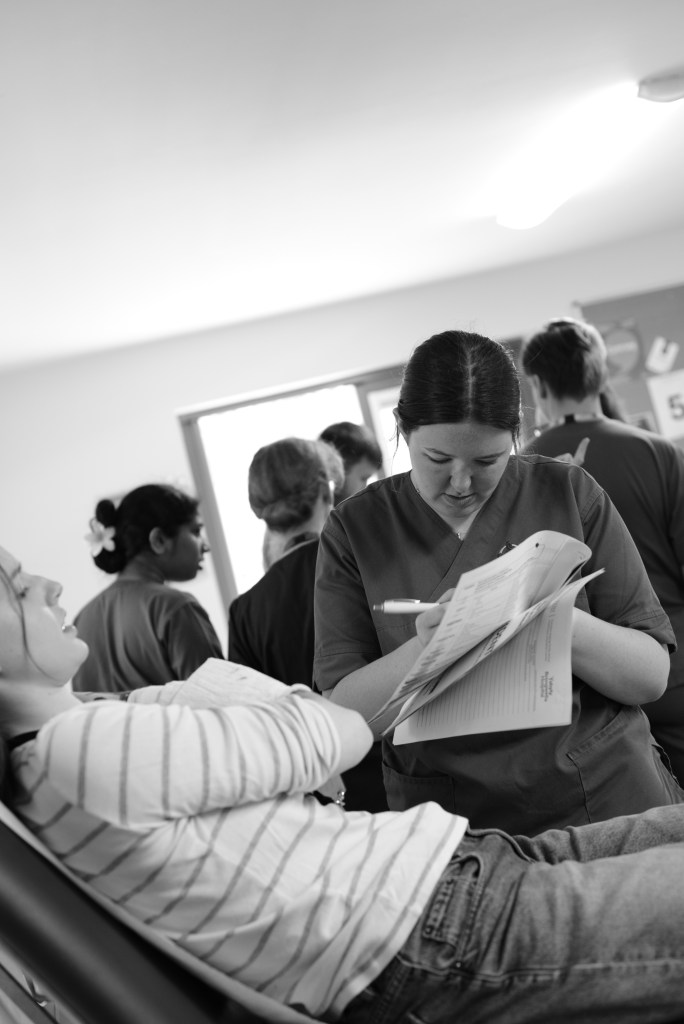
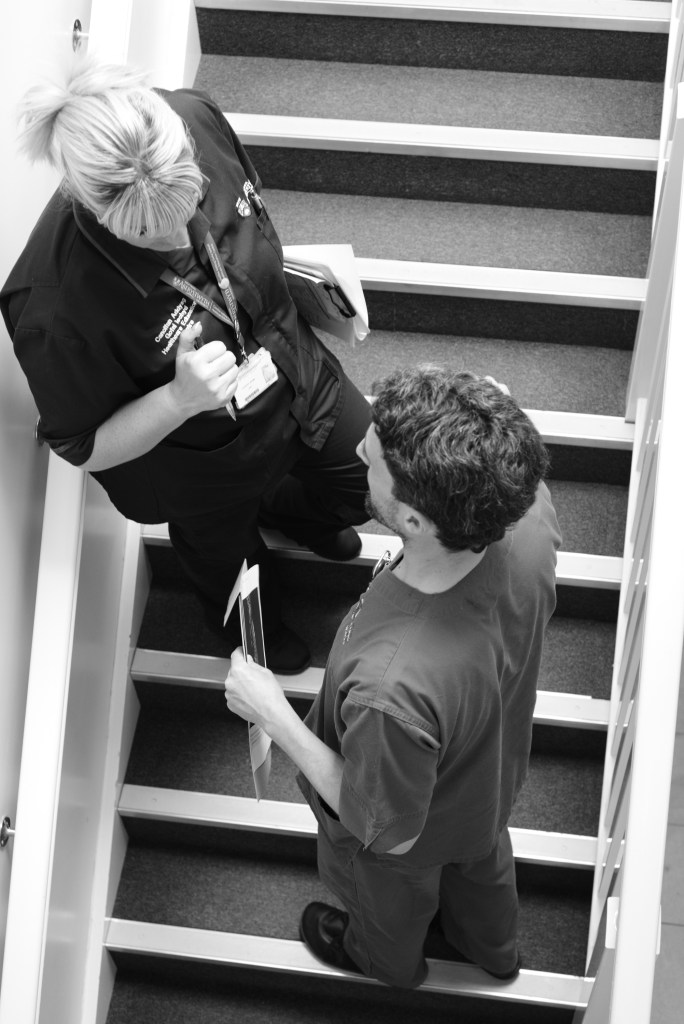
The entire exercise last two hours – from 13:00 when the “casualties” at the accident site began to scream until 15:00 when the “exercise over” call was announced in the treatment rooms. It felt like a great deal more than that to me, and I was in the privileged position of being able to move not only between the accident site and the treatment setting but between different treatment settings. I can imagine that for those doing the work the time may have gone rather more slowly. After a while the individual events blur together for me, and I simply move from room to room, framing and shooting and trying to keep track of what I want in terms of depth of field.
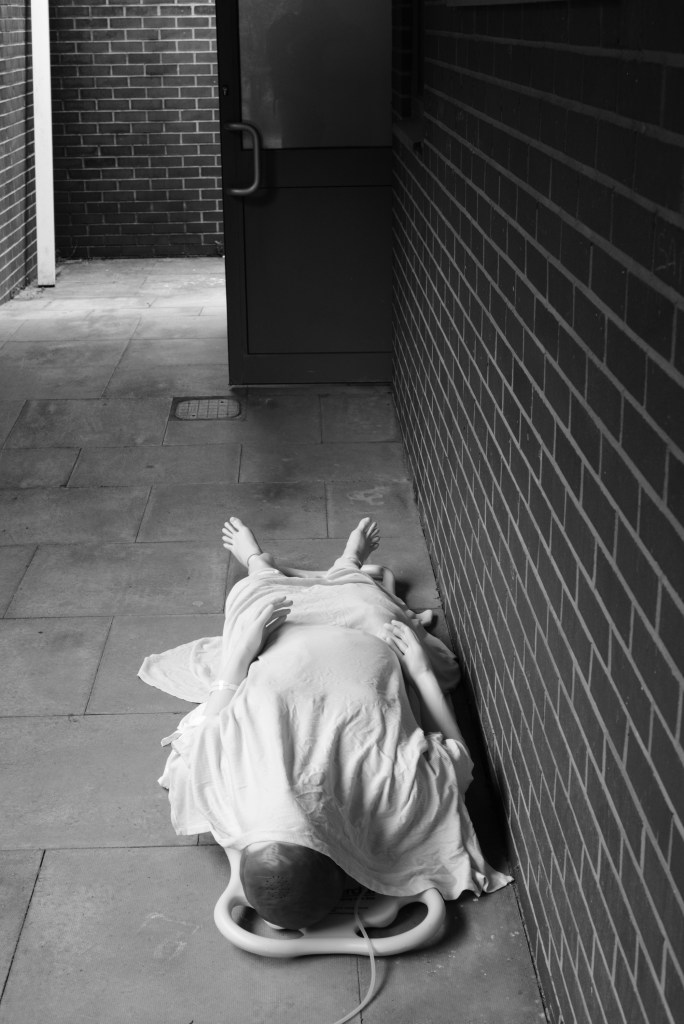
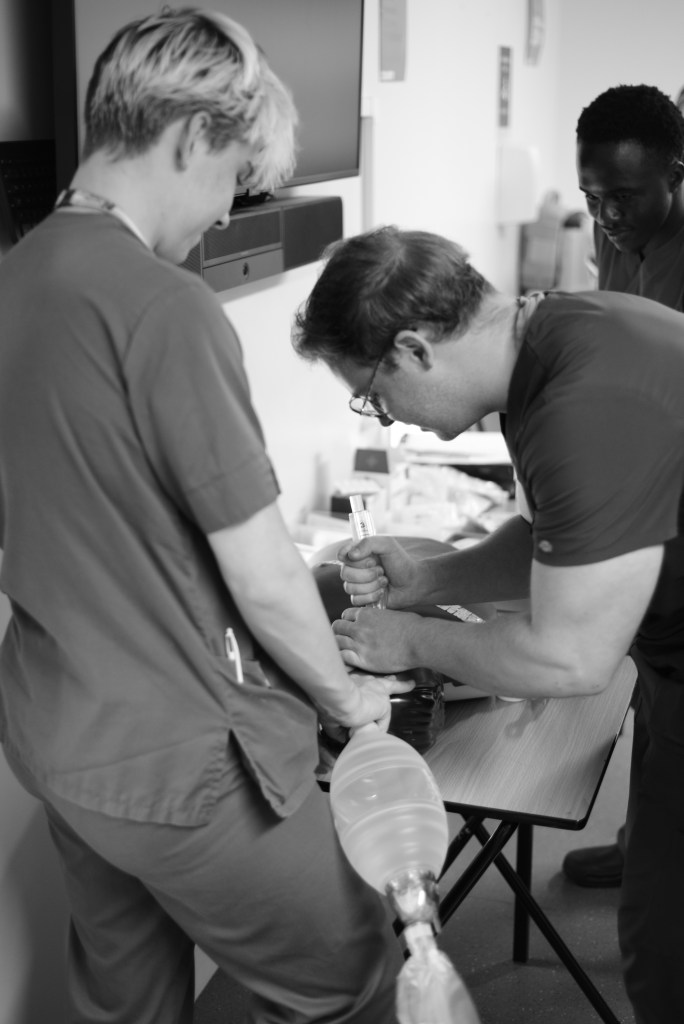
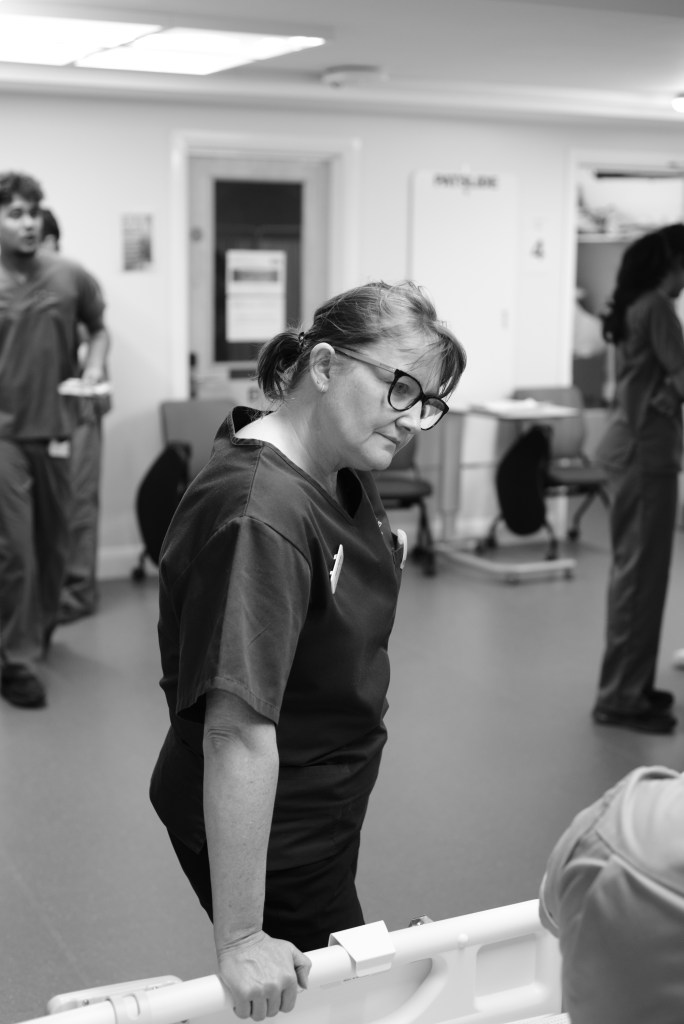
It’s something to be a part of, even as an observer, and as a teaching exercise it looks valuable. I don’t know if it’s reminiscent of the real thing, and I’m just fine with never having to find out.